German dentists
Dentist jobs for German dentists in the Netherlands and Belgium
German-trained dentists are in high demand in both the Netherlands and Belgium. Your Zahnarzt-Approbation gives you automatic EU recognition. We help you navigate the registration, language, and clinic match.
Step by step
How it works
Automatic EU recognition
Your German Approbation is automatically recognised across the EU. No re-study required.
Language
Dutch is highly accessible for German speakers. B2 is the Dutch BIG requirement, but C1 is often expected for clinics in Belgium (Flanders).
Register (BIG or RIZIV/INAMI)
We support your CIBG (NL) or Community recognition + RIZIV/INAMI (BE) application with German/English document preparation.
Match & relocate
We introduce you to vetted clinics — many German dentists thrive in NL practices and in Flanders.
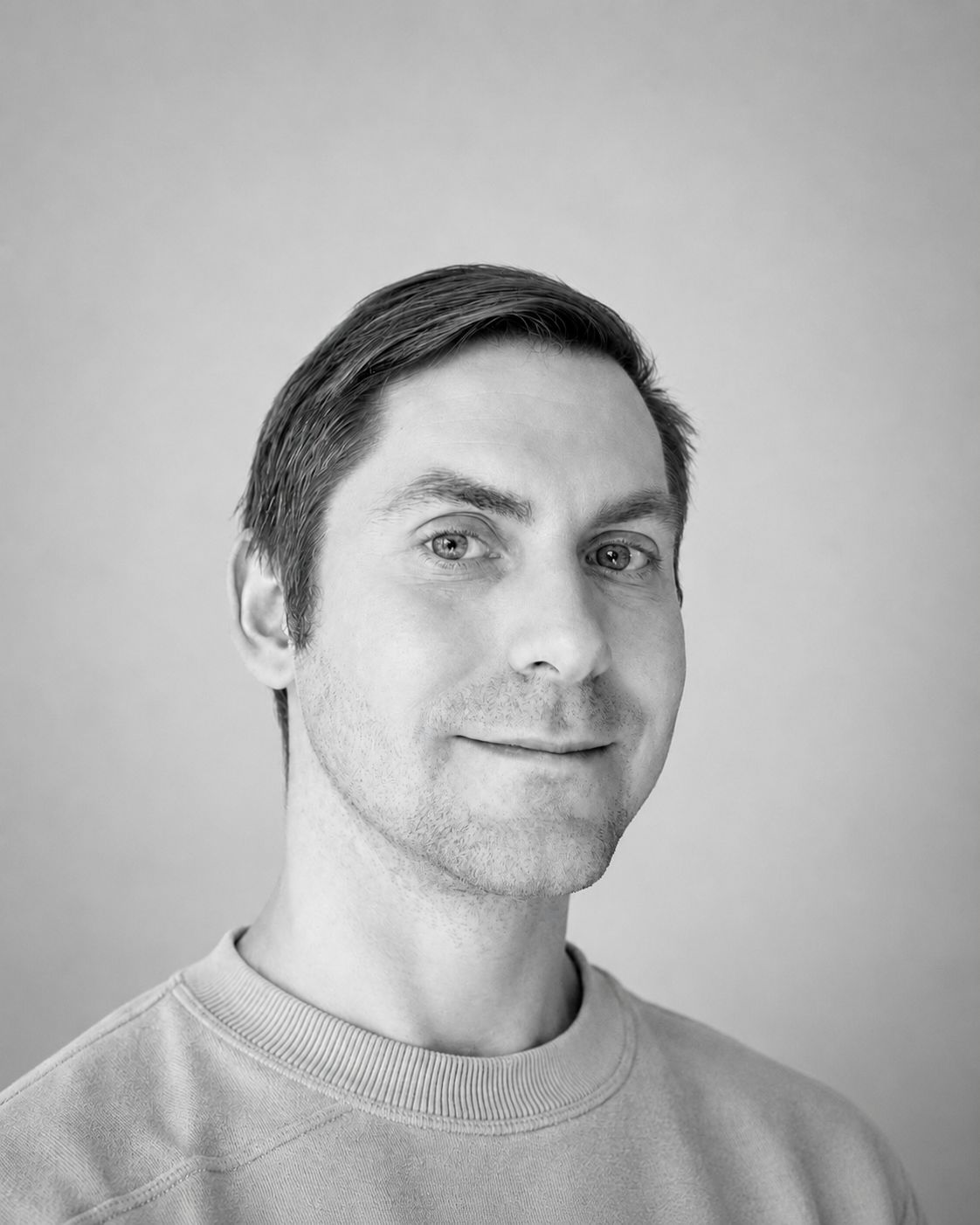
Founder
Julius Segersteen
Swedish dentist · Practising in NL since 2015
Guidance from a dentist who understands both sides of the move.
I started DentistBridge because I know how confusing it can feel to move abroad, register correctly and choose the right clinic. As a Swedish-trained dentist, clinic owner in the Netherlands and registered dentist in Belgium, I help European dentists make safer career decisions.
Founded by a dentist
Built and run by Julius Segersteen, a Swedish dentist practicing in the Netherlands since 2015.
Personal relocation experience
We understand the move first-hand — registration, housing, banking, language and cultural expectations.
BIG & RIZIV/INAMI guidance
Step-by-step support with Dutch BIG and Belgian RIZIV/INAMI registration routes.
Clinic matching
We match dentists with trusted clinics based on language, experience, goals and working style.
FAQ
Frequently asked questions
- Is Dutch really that close to German?
- Grammar and vocabulary overlap is significant. Most German dentists reach professional B2 within 4–7 months with focused study.
- Are German Fachzahnarzt specialisations recognised?
- EU recognition covers core dentistry. Specialist titles need separate recognition steps which we guide you through.
- Is the salary better than in Germany?
- Net income depends on employment vs ZZP/zelfstandige, but many German dentists report higher net pay, especially with the Dutch 30% ruling.
- How does the work culture compare?
- Dutch and Belgian practices are typically less hierarchical and more team-based than many German clinics, with strong patient continuity.
Next steps
What to do next
- 01Apply nowGerman dentists are in high demand. We support you in German/English throughout registration and clinic matching.Go
- 02Explore the NetherlandsDutch is highly accessible from German — many reach B2 in 4–7 months.Go
- 03Explore BelgiumFlanders is especially popular with German dentists. Compare both countries.Go
Related guides
Continue reading
Ready to take the next step?
Share your background with us. We'll come back within one business day with concrete next steps for your registration, clinic match, and relocation.